

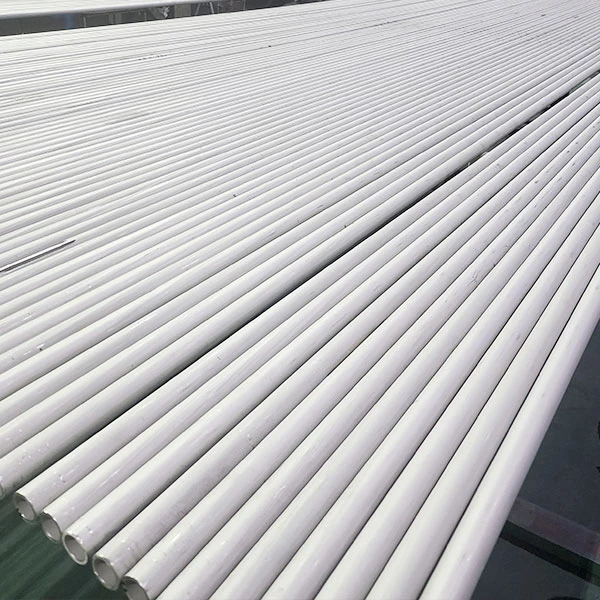
Monel 400 Pipe, also known as Alloy 400 Pipe or Monel UNS N04400 Pipe, is a popular choice in various industries. With its excellent corrosion resistance and high strength, Monel 400 is highly sought after. Additionally, it is known for its resistance to various corrosive environments, including seawater and acids.
ASME SB 163 N04400 specifications ensure the quality and reliability of Monel 400 Pipe. This seamless pipe is fabricated using Monel Alloy 400, which is known for its excellent mechanical properties. It offers exceptional resistance to stress corrosion cracking and exhibits good weldability.
When it comes to pricing, Monel 400 is typically priced per pound. The cost may vary depending on market conditions, quantity, and supplier. It is recommended to reach out to reliable Monel 400 Pipe suppliers to get the most accurate pricing information.
Monel 400 Pipe suppliers offer a wide range of options, including fabricated pipes. These 2.4360 Monel 400 pipes can be tailor-made to fit specific requirements and applications. The flexibility of fabrication allows for a seamless fit in various industries, such as chemical processing, marine engineering, and oil and gas.
Furthermore, Monel 400 Exhaust Pipes are widely used in automotive applications. The exceptional corrosion resistance and high-temperature strength make them ideal for exhaust systems that encounter extreme conditions.
In conclusion, Monel 400 Pipe, with its impressive properties, is a reliable choice for various industries. Its corrosion resistance, strength, and fabricability make it a versatile option for demanding applications. Whether you need seamless pipes, fabricated pipes, or exhaust pipes, there are numerous suppliers available to meet your specific requirements.
Monel Alloy 400 pipe, also known as Monel 2.4360, is a high-performance nickel-copper alloy that offers exceptional resistance to corrosion in a broad range of environments, including seawater, hydrofluoric acid, and sulfuric acid. Used extensively in industries such as chemical processing, marine, oil and gas, and aerospace, Monel UNS N04400 pipe is admired for its outstanding mechanical properties, high durability, and strength.
The composition of ASME SB 163 N04400 Monel Alloy 400 pipe comprises approximately 67% nickel and 30% copper. This combination of materials instills the pipe with premium resistance to acidic and alkaline aqueous environments, making it highly suitable for harsh conditions. Additionally, it is non-magnetic and can withstand elevated temperatures with ease, thanks to its inherent strength.
Overall, Monel Alloy 400 pipe is a trusted choice for industrial processes that require a high degree of corrosion resistance and strength. Its versatility and durability make it a top-rated alloy for a broad range of applications.
Monel 400 ASTM Standard:
- The seamless pipe and tube made of Nickel-Copper Alloy (UNS N04400) are regulated by ASTM B165 Standard Specification. This specification provides detailed guidelines and requirements for the manufacturing of these pipes and tubes.
In essence, ASTM B165 sets the standards for the seamless pipes and tubes that are composed of Nickel-Copper Alloy (UNS N04400). This specification ensures that the manufacturing process adheres to specific guidelines, including the use of appropriate materials, dimensions, mechanical properties, and quality control measures. It aims to guarantee the reliability and durability of these pipes and tubes for their intended applications.
Companies involved in the production or procurement of Nickel-Copper Alloy seamless pipes and tubes often refer to ASTM B165 as the reference standard. It serves as a guideline for manufacturers to ensure that the products comply with the required specifications. Compliance with this standard allows customers to have confidence in the quality and performance of these pipes and tubes.
Overall, ASTM B165 plays a crucial role in the industry by establishing the necessary criteria for the production of Nickel-Copper Alloy seamless pipes and tubes. Its regulations enable consistent manufacturing practices and facilitate the safe and efficient use of these products across various sectors that require high-quality corrosion-resistant piping systems.
- ASTM B163 is a standard specification that outlines the requirements for seamless nickel and nickel alloy condenser and heat-exchanger tubes. This specification serves as a guideline to ensure the quality and performance of these tubes when used in various industrial applications.
The purpose of ASTM B163 is to provide manufacturers, suppliers, and users with clear instructions regarding the materials, dimensions, mechanical properties, and testing procedures for these tubes. By following this standard, companies can ensure that their products meet the necessary criteria for safe and efficient use in condenser and heat-exchanger systems.
Seamless tubes made from nickel and nickel alloys are widely used in industries such as petrochemical, power generation, and chemical processing. Their ability to withstand high temperatures, corrosion, and pressure makes them ideal for applications where heat transfer is essential.
ASTM B163 covers a range of nickel-based materials, including nickel-copper alloys, nickel-chromium alloys, nickel-chromium-molybdenum alloys, and nickel-iron-chromium alloys. The specification provides detailed information on chemical composition, tensile properties, and hardness requirements for each type of alloy.
Additionally, the standard defines the dimensions and tolerances for the tubes, ensuring consistency in size and shape. It also outlines the methods for nondestructive testing, such as hydrostatic or pneumatic testing, to assess the quality and integrity of the tubes before they are used in condenser and heat-exchanger systems.
By adhering to the requirements outlined in ASTM B163, manufacturers can ensure that their nickel and nickel alloy condenser and heat-exchanger tubes are reliable, durable, and fit for purpose. This standard plays a crucial role in promoting product quality, safety, and performance within the industry, benefiting both manufacturers and end-users alike.
- Electric Fusion Welded Nickel and Nickel Alloy Pipe is defined and standardized by ASTM B474. This specification outlines the requirements and properties of such pipes. The purpose of this standard is to provide a guideline for the manufacturing and quality control of electric fusion welded pipes made from nickel and nickel alloys.
ASTM B474 ensures that the pipes meet specific criteria regarding their chemical composition, mechanical properties, dimensions, and tolerances. It covers various grades of nickel and nickel alloys, including but not limited to Nickel 200, Nickel 201, Nickel 205, Nickel 211, Nickel 212, Nickel 222, Nickel 270, and Nickel 276. These alloys are commonly used in applications requiring corrosion resistance, high-temperature strength, and good electrical conductivity.
The standard specifies the manufacturing process, which involves electric fusion welding of the pipes using suitable filler metals and heat treatment, if required. It also defines the permissible deviations in dimensions, straightness, and wall thickness of the pipes. Additionally, ASTM B474 provides guidelines for nondestructive tests such as hydrostatic or pneumatic testing, visual inspection, and eddy current examination.
Compliance with ASTM B474 is essential for manufacturers, suppliers, and end-users to ensure the quality and reliability of electric fusion welded nickel and nickel alloy pipes. Adhering to this standard helps in maintaining consistent product performance and facilitates compatibility between different components in various industries such as chemical processing, petrochemical, power generation, and aerospace.
In summary, ASTM B474 sets the requirements and specifications for electric fusion welded nickel and nickel alloy pipes. It establishes the necessary guidelines to ensure the mechanical and chemical properties, dimensions, and quality of these pipes. Following this standard guarantees the reliability and appropriate application of these pipes in diverse industries.

UNS N04400 Chemical Composition
| Element | Content, % |
| Nickel [Ni] | ≥63.0 |
| Copper [Cu] | 28.0~34.0 |
| Iron [Fe] | ≤2.50 |
| Manganese [Mn] | ≤2.00 |
| Carbon [C] | ≤0.30 |
| Silicon [Si] | ≤0.50 |
| Sulfur [S] | ≤0.024 |
Part of Alloy 400 pipe Dimensions
| PIPE PRODUCT FORM | DIMENSION |
| Cold drawn, bright annealed, seamless | 6.35 x 0.89 mm (¼" x 0.035") |
| Annealed, Cold Drawn | 6.35 x 1.7 mm (¼" x 0.065") |
| Annealed, Cold Drawn | 12.0 x 2.0 mm |
| bright annealed, seamless | 12.7 x 0.89 mm (½" x 0.035") |
| Annealed, Cold Drawn | 12.7 x 1.63 mm (½" x 0.064") |
| seamless; annealed | 33.40 x 4.55 mm (1"nb Sch80s) |
| Annealed, Cold Drawn | 48.26 x 2.77 mm (1½" nb sch10s) |
| Annealed, Cold Drawn | 48.26 x 3.68 mm (1½" nb sch40s) |
| seamless, annealed | 48.26 x 5.08 mm (1½" nb sch80s) |
| Annealed, Cold Drawn | 60.33 x 2.77 mm (2"nb sch10s) |
| Annealed, Cold Drawn | 88.90 x 5.49 mm (3"nb Sch40s) |
| Annealed, Cold Drawn | 114.3 x 3.05 mm (4"nb sch10s) |
Machining Monel 400
Due to the high strength and work-hardening tendency of the 2.4360 material, machining 2.4360 monel 400 is more challenging than machining conventional materials. Here are some considerations:
- Tooling: Use carbide tools as Monel 400 work hardens rapidly. HSS tools may not be as effective.
- Cutting Speed: Use lower cutting speeds than when machining steel. Slow and steady processing is key to preventing excessive heat build-up.
- Coolant: Using the proper coolant or cutting fluid will help dissipate heat and extend tool life.
- Feed Rate: Use an appropriate feed rate to avoid excessive stress on the tool, which can cause work hardening and tool wear.
- Chip Control: Proper chip control is important to prevent chip buildup and tool damage.
Customized Alloy 400 Pipe
Alloy 400 pipe is available in a variety of sizes and thicknesses to suit different application requirements. It can be of Monel 400 seamless pipe or alloy 400 welded pipe, depending on the application, and can be customized to meet specific needs. Seamless pipe is preferred for applications requiring high corrosion resistance and high stress, while the welded pipe is suitable for low-pressure applications and less critical environments.
Hot Tags: alloy 400 pipe, China alloy 400 pipe manufacturers, suppliers


